Get Carpenter Ant Extermination
Local contractors offer carpenter ant extermination services to eliminate infestations and protect homes from structural damage caused by these pests.
Carpenter ant problems can pose a serious threat to the structural integrity of a property if left unaddressed. Property owners in the area often seek professional extermination services to effectively eliminate these pests and prevent further damage. Whether you're planning a renovation, preparing for a property sale, or simply want to protect your investment, understanding your options for carpenter ant extermination is an important step in maintaining a safe and secure environment.
This page is designed to help connect property owners with experienced local contractors who specialize in carpenter ant removal. Comparing different service providers can assist in finding a solution that fits your specific needs and ensures the job is handled efficiently. Keep reading to learn more about how local experts can help safeguard your property from these destructive pests.
- Carpenter Ant Extermination - needed when ants have invaded wooden structures and threaten property integrity.
- Carpenter Ant Inspection - required when there are signs of ant activity or unexplained wood damage.
- Carpenter Ant Removal - necessary to eliminate ant colonies and prevent further infestation.
- Carpenter Ant Prevention - important for homeowners seeking to protect their property from future invasions.
- Carpenter Ant Treatment - used when targeted treatments are needed to eradicate active colonies effectively.
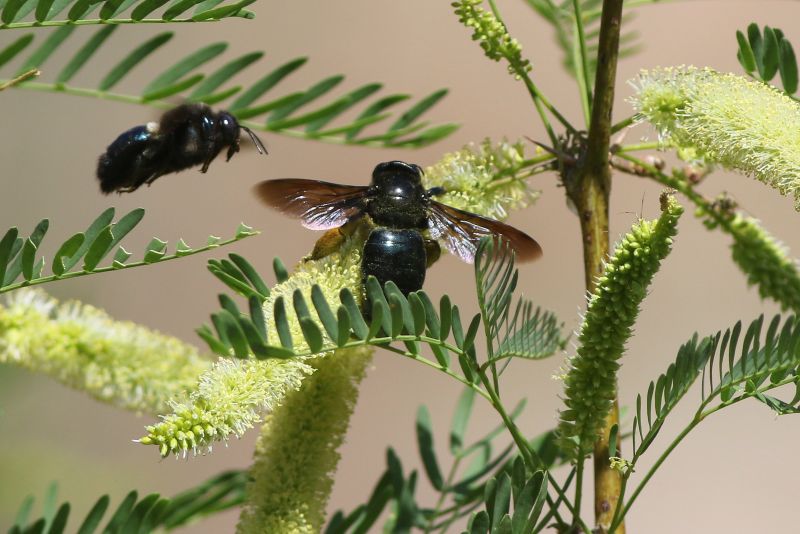
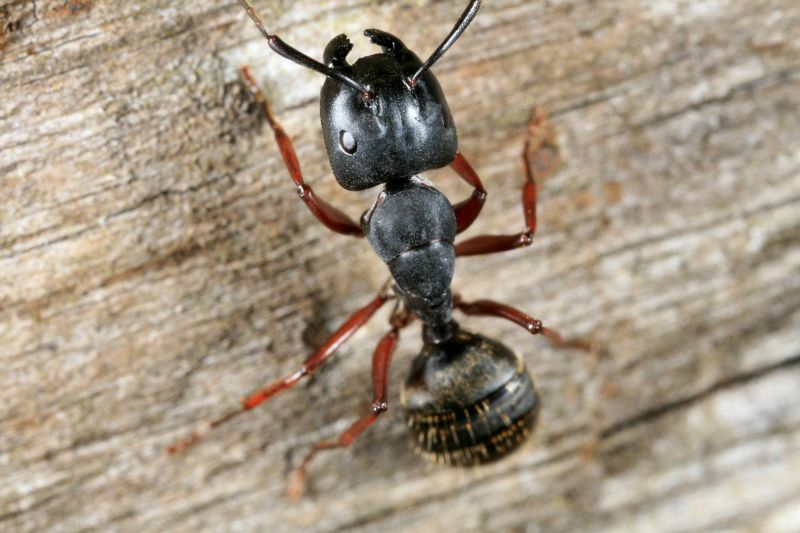
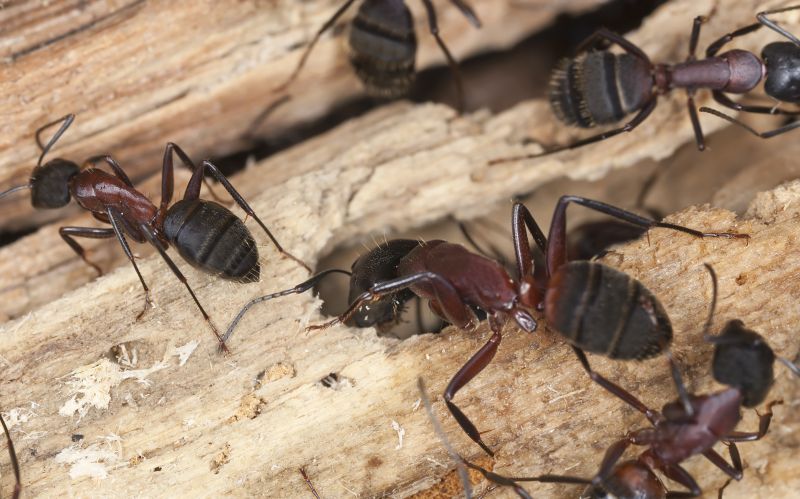
Carpenter ant extermination services focus on identifying and eliminating infestations of these wood-damaging insects. The process typically involves a thorough inspection of the property to locate active nests and signs of activity, such as sawdust or damaged wood. Once the extent of the problem is determined, service providers may apply targeted treatments, including baiting systems and insecticides, to eliminate the ants and prevent future invasions. This approach helps ensure that the colony is effectively eradicated, reducing the risk of structural damage and further infestations.
These services are designed to address problems caused by carpenter ants, which often include damaged wood, hollow-sounding timbers, and the presence of trails or nests within walls, decks, or other wooden structures. Carpenter ants do not eat wood but excavate it to create nesting sites, which can compromise the integrity of a building over time. Early detection and prompt treatment are essential to prevent extensive damage, especially in homes with wooden framing, cabinetry, or furniture. Service providers also offer advice on reducing attractants and preventing future invasions.
Property types that commonly seek carpenter ant extermination include residential homes, especially those with wooden structures or areas prone to moisture buildup. Commercial properties, such as warehouses, office buildings, and retail spaces with wooden fixtures or structural elements, may also require treatment. Additionally, property managers and landlords often work with local contractors to address infestations quickly and maintain the integrity of their buildings. Regardless of the property type, timely intervention can help prevent costly repairs and protect the property's value.
Homeowners and property owners should consider carpenter ant extermination services if they notice signs of wood damage, ant activity near wooden areas, or unexplained hollow sounds in wood structures. Detecting these issues early can make treatment more effective and less invasive. Local service providers can assess the situation, recommend appropriate solutions, and implement treatments tailored to the specific needs of each property. Connecting with experienced contractors ensures that the problem is handled efficiently, helping maintain the safety and durability of the property.
The overview below groups typical Carpenter Ant Extermination projects into broad ranges so you can see how smaller, mid-sized, and larger jobs often compare in your area.
In many markets, a large share of routine jobs stays in the lower and middle ranges, while only a smaller percentage of projects moves into the highest bands when the work is more complex or site conditions are harder than average.
Initial Inspection and Treatment - typical costs range from $250-$600 for many smaller jobs. Most routine inspections and treatments fall within this range, but larger properties or complex infestations can push costs higher.
Baiting and Preventative Services - these ongoing or one-time services usually cost between $300-$800. Many homeowners find their projects land in the middle of this range, though extensive preventative work may reach $1,000+.
Full Extermination Projects - complete removal and treatment for severe infestations can cost from $600-$2,500. Larger or more complicated projects tend to be at the higher end, while smaller infestations typically fall into the lower ranges.
Full Replacement or Structural Repairs - in rare cases where structural damage occurs, costs can exceed $5,000. Such projects are less common and usually involve extensive work beyond standard extermination services.
Actual totals will depend on details like access to the work area, the scope of the project, and the materials selected, so use these as general starting points rather than exact figures.
Wood Damaged Repair - Contractors skilled in repairing and restoring wood structures can address damage caused by carpenter ants, ensuring the integrity of buildings.
Termite Inspection and Treatment - Many service providers who handle termite control also have expertise in identifying and eliminating ant infestations, sharing similar planning and treatment methods.
Insect and Pest Control - General pest control specialists often manage a variety of wood-boring insects, including carpenter ants, using comparable tools and techniques.
Structural Inspection Services - Professionals conducting building inspections can identify signs of pest activity, including carpenter ant damage, requiring similar assessment skills.
Exclusion and Barrier Installation - Contractors installing physical barriers to prevent pest entry apply planning and installation skills relevant to ant extermination efforts.
Moisture Control and Prevention - Experts in controlling moisture levels around structures help reduce conditions conducive to carpenter ant infestations, utilizing related planning and mitigation strategies.
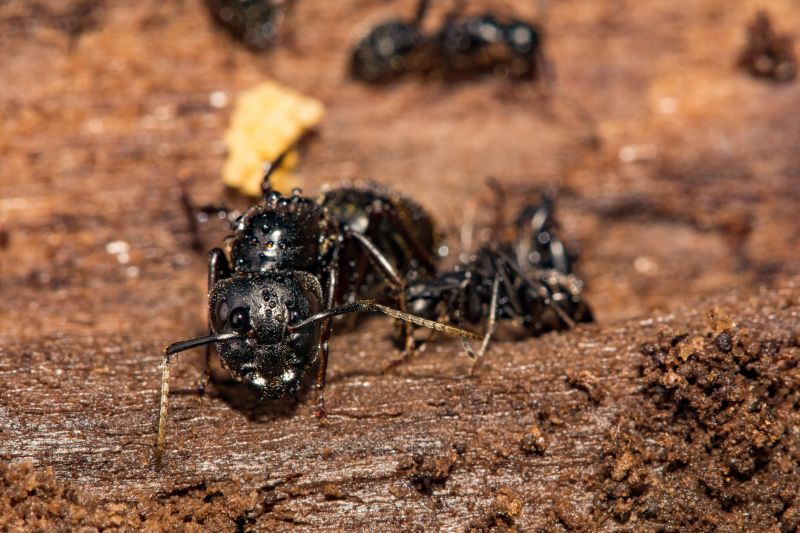
When comparing contractors for carpenter ant extermination, it’s important to consider their experience with similar projects. Homeowners should seek out service providers who have a proven track record in handling ant infestations, particularly those involving carpenter ants. An experienced contractor will understand the nuances of effective treatment methods and be familiar with the common challenges that can arise during extermination efforts. This background can help ensure that the chosen professional is well-equipped to address the specific needs of the home, reducing the likelihood of recurring issues.
Clear, written expectations are essential when evaluating local service providers. Homeowners should request detailed descriptions of the proposed approach, including the steps involved, treatment methods, and any follow-up procedures. Having this information in writing helps prevent misunderstandings and provides a basis for comparing different options. It also allows homeowners to assess whether the contractor’s plan aligns with their concerns and expectations, fostering transparency and trust before any work begins.
Reputable references and effective communication are key indicators of a reliable contractor. Homeowners can ask potential service providers for references from previous clients who experienced similar ant problems. Contacting these references can offer insights into the contractor’s professionalism, quality of work, and reliability. Additionally, good communication-such as prompt responses to inquiries, clarity in explanations, and willingness to answer questions-can make the entire process smoother. While this site introduces homeowners to local options, it’s important to choose a contractor who demonstrates these qualities to ensure a positive and successful extermination experience.
Property owners use Carpenter Ant Extermination services for practical projects around their homes and businesses. This guide focuses on everyday jobs and straightforward project options.
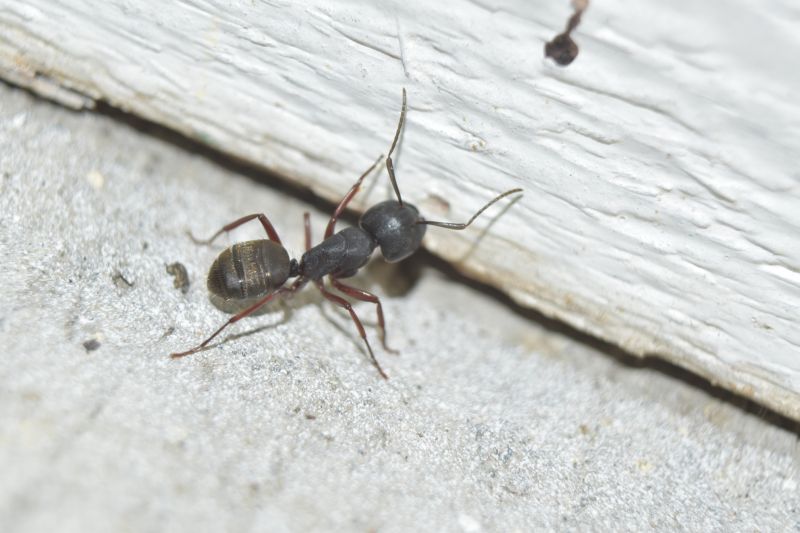
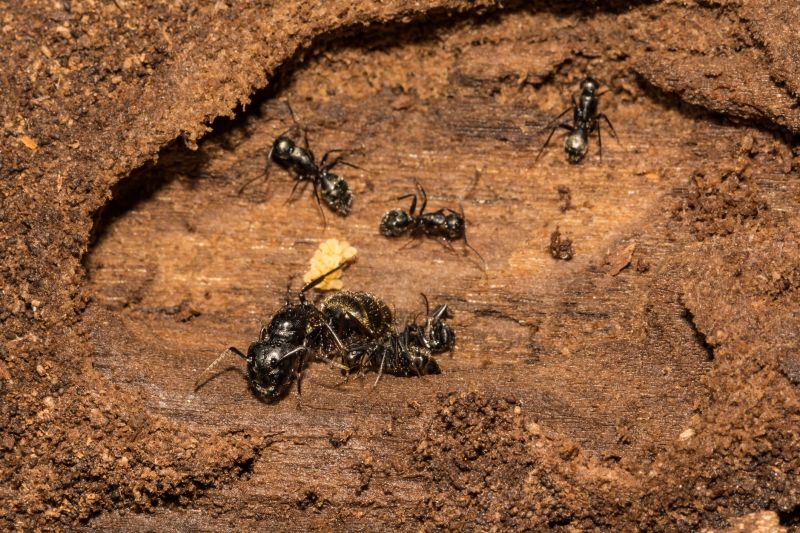
Carpenter ants can become a common concern for property owners dealing with wood damage or unusual sightings inside their homes or structures. These pests often invade when they discover accessible wood sources, especially in areas with moisture or decayed wood. Homeowners and business owners might seek extermination services when they notice signs of infestation, such as small piles of wood shavings or hollow-sounding wood, to prevent further damage and maintain the integrity of their property.
In many cases, property owners turn to local contractors for professional carpenter ant extermination when standard pest control methods don’t resolve the issue. These service providers are equipped to assess the extent of an infestation, identify entry points, and apply targeted treatments. Whether dealing with a minor problem or a more widespread invasion, connecting with experienced local experts helps ensure that the infestation is managed effectively and that property damage is minimized.
What are signs of a carpenter ant infestation? Common signs include the presence of large ants, wood damage with a hollow sound, and discarded wings near windows or entry points.
How do local contractors typically eliminate carpenter ants? They often use targeted treatments such as baiting, dusts, or liquid insecticides to effectively remove colonies and prevent future problems.
Are there preventive measures to avoid carpenter ant infestations? Yes, keeping wood structures dry, sealing entry points, and removing decayed or rotting wood can help reduce the likelihood of an infestation.
Can carpenter ant extermination services be combined with other pest control? Many service providers offer integrated pest management options that address multiple pests alongside carpenter ants.
What should I do if I suspect a carpenter ant problem? Contact local contractors experienced in carpenter ant extermination to assess the situation and recommend appropriate treatment options.
Ant prevention tips - Property owners can learn practical ways to reduce ant attractants around their home to help prevent infestations.
Inspection services - Professionals can identify ant nesting sites and entry points to address issues early before they become widespread.
Interior treatment options - Local contractors can advise on safe and effective methods to treat indoor areas affected by carpenter ants.
Structural repair ideas - Experts can recommend repairs to damaged wood or moisture issues that may attract carpenter ants to the property.
If you are thinking about Carpenter Ant Extermination for a property, this guide is meant to help you understand the work, the typical project types, and how different options might fit your plans.
When you are ready, you can use the quote form on this page to share a few details about your project. From there, local pros can review the basics and respond with options that match what you have in mind.